ICMSA query “lack of urgency” from DAFM on Bluetongue vaccination
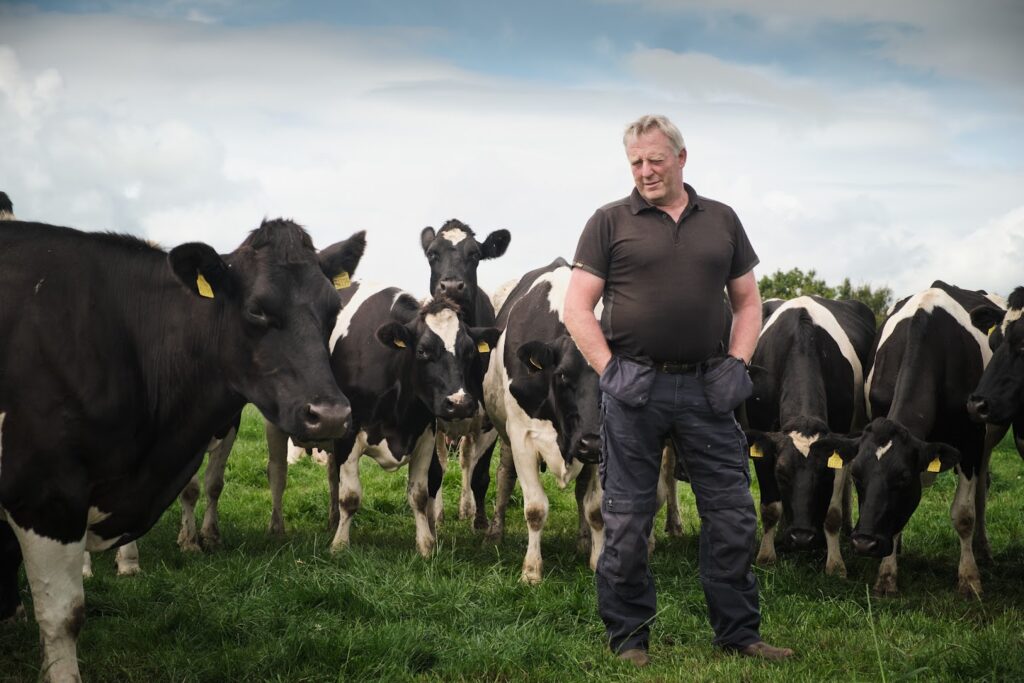
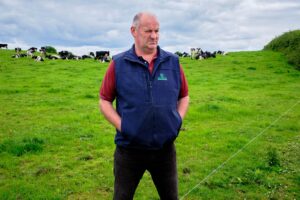
The Chairperson of ICMSA’s Livestock Committee, Michael O’Connell, has urged farmers to be proactively vigilant in the face of a concerning rise in the number of cases over the past few weeks. Noting new incidences on a practically weekly basis, Mr O’Connell said that it is especially disappointing given that we are by now totally outside of the main vector season with temperatures at nighttime falling below freezing.
“That means that we have been living with the virus since the Summer and it just underlines the importance of farmers contacting their vets immediately for advice if in doubt and – most importantly – insisting on fallen animals being tested for BTV”, he said.
“To a degree, the increase in the number of BTV 3 cases was inevitable given the levels of the disease in the UK and, in fact, we would have expected the issue to raise its head a lot earlier than now due to the hot, drought conditions we had all summer.
It seems fair to assume that the vaccination uptake in the UK was not as comprehensive as in Ireland with some four million doses of vaccines sold in the Republic. But even that figure is a long way from fulfilling the needs of all breeding stock whether it be bovine or ovine. Based on the latest CSO figures, the number of dairy cows and suckler cows stood at 2.45milion cows, while breeding ewes stood at 2.7million. If we assume a double shot vaccine for cows and single shot for sheep, we see that roughly only half of the mature breeding herds and flocks are vaccinated – never mind the replacement stock. We have only to look at the UK to see that significant gaps in vaccination will result in unforeseen negatives like the embryonic loss that’s really notable over there right now”, continued Mr O’Connell.
The ICMSA Committee Chairperson was blunt in his criticism of the Minister for Agriculture, Food and the Marine with reference to his latest statement regarding vaccination.
“The Minister’s comments are six months too late for spring calving dairy and beef herds as the vaccination programme must be carried out a month pre-breeding. We have consistently ‘beaten the drum’ on vaccination and DAFM are consistently lagging behind. We asked them last Spring to be much more proactive around encouraging the use of vaccination, but they deemed it to be a purely commercial decision to be taken between the farmers and their vets. That vaccination ship has sailed and honestly coming out now in October with encouragement for farmers to vaccinate is farcical and performative; it’s meant to convey concern but is way too little and way too late”, said Mr O’Connell.
The ICMSA Chairperson said that matters were not helped by the ‘one size fits all’ attitude adopted by DAFM to the 50 ‘shot packs’: “We had an awful lot of wastage as not every herd has 50 or 100 animals or exact multiples of 50, and, inevitably, smaller breeding herds are not going to use the vaccine. The idea of farmers sharing vaccines is not an ideal scenario either due to handling constraints or cross contamination. And if a breakdown of BTV occurs on farm, the viability of the vaccine will be questioned but the manner of how the vaccine was handled may not be”, he continued.
Noting that ICMSA had previously engaged with manufacturers of BTV 3 vaccine regarding the dosage sizes, the onset of immunity and the procedure following the first year’s vaccination programme. Mr O’Connell said that the explanation given to the association was that the vaccine was produced as part of an emergency response to the initial outbreak of BTV in the Netherlands – where they believed a 50-vaccine pack was adequate to represent the size of herds in that jurisdiction.
“We are still working on a solution to the vaccine size issue facing farmers, but we think that matters would have been helped if the Department had engaged with the BTV vaccine manufacturers regarding production of smaller pack sizes. We have to start from where we are now, and we need to give every farmer the opportunity to vaccinate their herds next spring and not be shackled by constraints around the cost of surplus vaccine. The Department is going to have to get into the game in terms of protecting the national herd and they are going to have to show a degree of urgency that has been conspicuously absent to date. The consequences of a BTV outbreak are disastrous for family farms and while it’s impossible to fence out the midges, we are entitled to expect the Department to remedy the lack of urgency that has marked the official response so far – and a more urgent response has to begin with timely vaccination available in farmer-friendly dosage packs”, he concluded.
Ends 23 October 2026
Michael O’Connell
Chairperson, ICMSA Livestock Committee
Or
Cathal MacCarthy
ICMSA Press Office
Latest Headlines

- Sections
Contact Us
Telephone
061 314 677
+353 61 314 677